
Gold coins under the kitchen floor
£754,000
Ellerby, East Yorkshire, 2019
More than 260 gold coins in a pot beneath a kitchen floor. They sold at auction for three times their estimate.
The couple kept them Read the full storyLift a floorboard or knock through a wall in an old house and you never quite know what you will find. People have found gold coins, bundles of cash, sealed rooms and objects hidden centuries ago to keep witches out. But when something turns up in a house you have just bought, who does it belong to?
The playground rule of finders keepers is not the law. Who owns a find depends on what it is, how it came to be there and what your sale agreed. When you buy a house, you buy the land and everything fixed to it, from the fitted kitchen to the bricks in the walls. Belongings that can be moved, from furniture to a box in the loft, usually stay the seller’s unless the contract says they are included. That is what the fittings and contents form exchanged during a sale is for.
If the seller leaves things in the house, they generally still own them. You become what the law calls an involuntary bailee: you must take reasonable care of the items and give the owner a fair chance to collect them before getting rid of them. Throwing them straight in a skip can leave you open to a claim.
Money or valuables hidden by a previous owner can still belong to that person or, if they have died, to their estate and heirs. Keeping money when you could reasonably trace the owner can amount to theft. If no owner can be found, the courts have generally favoured the person who owns the land over the person who happened to find it.
Because land ownership usually wins, a homeowner normally has a better claim than a builder or contractor who finds something inside their walls or under their floors. It is worth agreeing this before major work begins.
Old coins and objects can be Treasure under the Treasure Act 1996: for example, two or more coins at least 300 years old, or gold and silver objects of that age. Since 2023, significant objects at least 200 years old can also qualify. Potential Treasure must be reported to the local coroner. It belongs to the Crown, a museum may acquire it, and a reward is usually paid, often shared between the finder and the landowner.
Objects deliberately built into the fabric of a house, such as shoes hidden up a chimney or a bottle buried under the hearth, generally come with the property. They are rarely worth much, but museums are keen to record them.
This is general information about the law in England and Wales, not legal advice. If you find something valuable, speak to a solicitor and, for potential Treasure, your local Finds Liaison Officer.
Below, we look at some of the things people have found in houses and what happened to them.
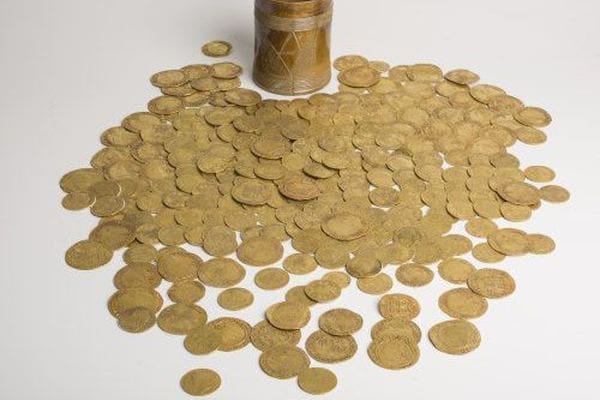
Gold coins under the kitchen floor
Ellerby, East Yorkshire, 2019
More than 260 gold coins in a pot beneath a kitchen floor. They sold at auction for three times their estimate.
The couple kept them Read the full story Similar object
Lockboxes of Depression-era cash
Cleveland, Ohio, 2006
A contractor found two boxes of 1930s banknotes inside a bathroom wall. The row over who owned them ended in court.
Shared with the original family Read the full story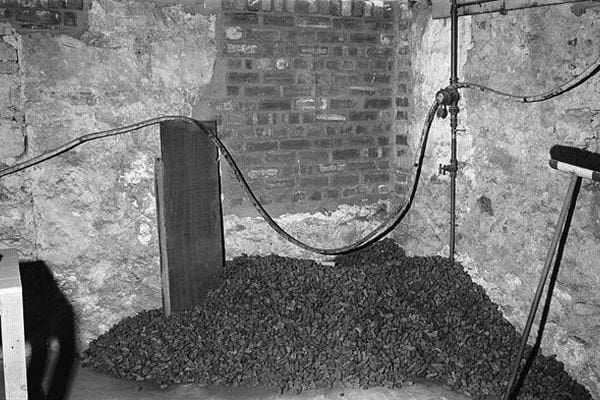 Similar object
A tin of cash in a sealed cellar
Sheffield, 2020
Old £5 notes in a rusty paint tin, under the coal in a bricked-up room beneath the cellar steps.
Found by the homeowners Read the full story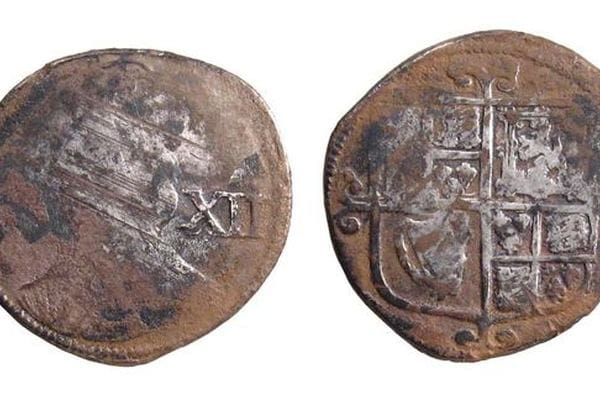 Similar object
A hoard of Civil War-era coins
Poorton, Dorset, 2024 sale
Found while lowering the floor of an old cottage. The couple said the money would help pay off their mortgage.
Sold at auction Read the full story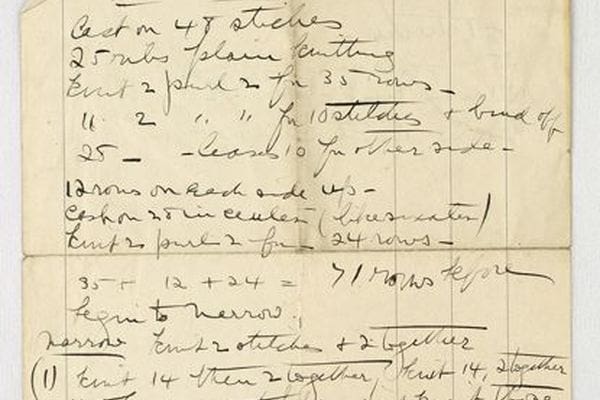 Similar object
Children’s notes behind a wall
Leeds
Messages three children hid behind a kitchen wall, found by a builder more than 30 years later.
Shared with the family Read the full story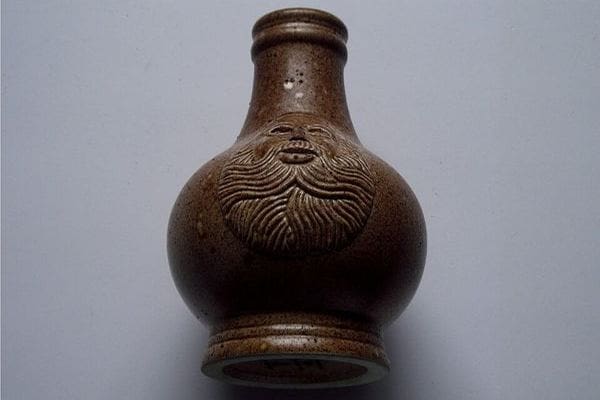 Similar object
Witch bottles under the hearth
Recorded in England
Bottles of pins, nails, hair or urine buried to trap a witch’s spell. Half were found under the hearth.
Part of the house Read the full story Similar object
Shoes hidden in walls and chimneys
Recorded by Northampton Museum
Single, worn-out shoes, often children’s, tucked into buildings for luck or protection.
Part of the house Read the full story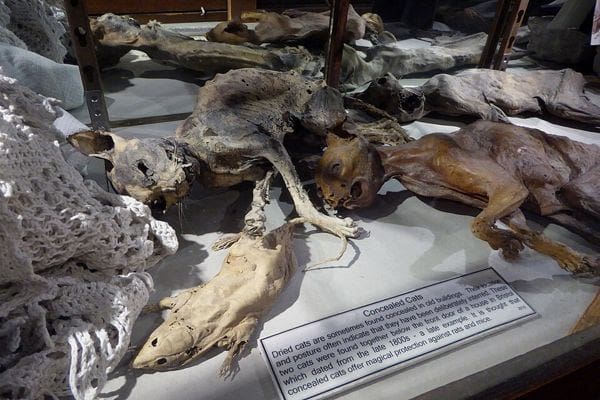 Similar object
Dried cats in roofs and walls
Recorded in English buildings
Cats sealed into roofs, walls and floors, most likely as protective charms.
Part of the house Read the full story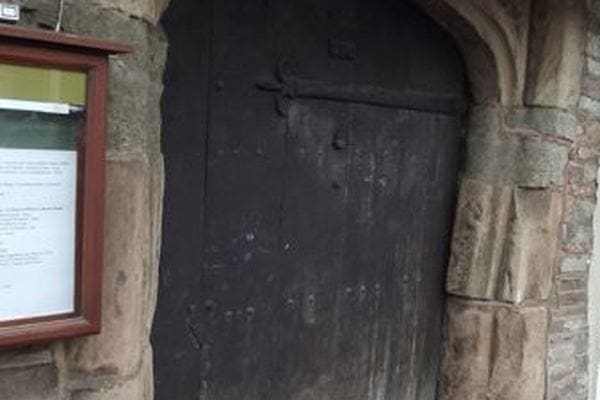 Similar object
A Tudor door to a hidden room
Hertfordshire
A door hidden behind modern walls in an attic, opening onto a forgotten room with its original roof timbers.
Part of the house Read the full storyEllerby, East Yorkshire
In 2019 a couple renovating their 18th-century home in the village of Ellerby set about re-laying an uneven kitchen floor. Beneath the concrete they found a pot holding more than 260 gold coins, dating from 1610 to 1727.
The hoard was expected to fetch up to £250,000. When it was auctioned in 2022 it made £754,000, around three times the estimate.
Two or more coins at least 300 years old normally count as Treasure, which belongs to the Crown. The youngest Ellerby coin was 292 years old when it was found, eight years short, so the hoard was not Treasure and the couple were confirmed as its owners.
Sources: ITV News; Ellerby Area Hoard (Wikipedia)
Back to the topCleveland, Ohio
In 2006 a contractor stripping out a bathroom in an old Cleveland house found two lockboxes inside the wall, filled with banknotes from the 1930s worth about $182,000.
He and the homeowner could not agree how to split the money, and the dispute went to court. Then the descendants of the businessman who had hidden it during the Depression came forward to claim their share. By the time it was settled, the contractor who found it was left with a few thousand dollars.
Money hidden by a previous owner can still belong to their family. In England and Wales, too, cash that can be traced to a former owner or their estate is theirs, not the finder’s or the new homeowner’s.
Source: NBC News
Back to the topSheffield
In 2020 a couple renovating their pre-1900 house in Sheffield broke through a bricked-up wall beneath the cellar steps. Behind it was a forgotten room full of coal. Buried in the coal was a rusty paint tin holding more than £1,000 in £5 notes from the 1970s.
Banknotes that are no longer legal tender can still be exchanged at the Bank of England. Cash is not Treasure, so if the person who hid it, or their family, can be traced, it is theirs.
Source: Newsweek
Back to the topPoorton, Dorset
A Dorset couple lowering the floor of an old cottage on their farm uncovered a hoard of 17th-century coins, buried around the time of the English Civil War. When the coins were sold at auction in 2024 they made around £60,000, money the couple said would help pay off their mortgage.
Coins this old count as potential Treasure and must be reported to the coroner. If no museum acquires them, they can be returned to the finder and landowner to keep or sell.
Source: BBC
Back to the topLeeds
A builder renovating a kitchen in Leeds found notes that three children had written and hidden behind the wall in 1987. The find was shared online, where it reached one of the children who had written them. Her brother had since died, and she said she cried at seeing his handwriting again.
Letters, photos and keepsakes are worth little to anyone else and a great deal to the people who left them. Former owners, neighbours and local history groups are often easy to trace.
Source: Leeds Live
Back to the topUnder the hearth
For centuries, people believed the hearth was a weak point where evil could enter a home. To protect it, they buried witch bottles beneath it: stoneware or glass bottles filled with pins, nails, hair or urine, intended to trap and turn back a witch’s spell.
By 2019, 294 had been documented in England, and around half were found under the hearth. One found beneath a London house in 2008 held pins, rusty nails and a fragment of wood or bone.
Objects built into the fabric of a house generally come with the property. Many owners choose to record them with a local museum, and some put them back where they were found.
Source: Retrospect Journal
Back to the topIn walls, floors and chimneys
Hidden shoes are among the most common finds in old British houses. Northampton Museum’s Concealed Shoe Index has recorded more than 3,000 shoes from around 2,000 buildings. About a quarter were found around the chimney or hearth, with others under floorboards, inside walls and in roof spaces.
They are nearly always single, well worn and often children’s. Historians believe they were hidden for luck or to protect the household, though no one wrote down why.
Like other objects hidden in the fabric of a house, a concealed shoe goes with the property. Northampton Museum welcomes reports of new finds for its index.
Sources: Northampton Museums; Concealed shoes (Wikipedia)
Back to the topIn roofs, walls and floors
Builders and homeowners have found mummified cats sealed into roof spaces, walls and under floors. By 2004, 139 had been recorded in English buildings. Like concealed shoes and witch bottles, they are thought to have been placed there as protection against evil.
They come with the house. Local museums and archaeologists are usually glad to record them.
Source: Retrospect Journal
Back to the topHertfordshire
Television presenter Jules Hudson was working on the attic of his cottage when he found a door, dating from around 1580, concealed behind modern stud walls. Behind it was a forgotten room with its original roof timbers.
Hidden rooms are part of the property you bought. If the house is listed, check with the council before altering anything you uncover.
Source: Coventry Telegraph
Back to the topCompiled by Bettermove from published reports, museum records and official sources, named under each story. Apart from the Ellerby hoard, photos show similar objects for illustration, not the finds themselves, and are credited below. Figures for concealed shoes, witch bottles and dried cats include only finds that have been recorded.
This is general information about the law in England and Wales, not legal advice. Ownership of found items depends on the circumstances and the terms of your sale.