

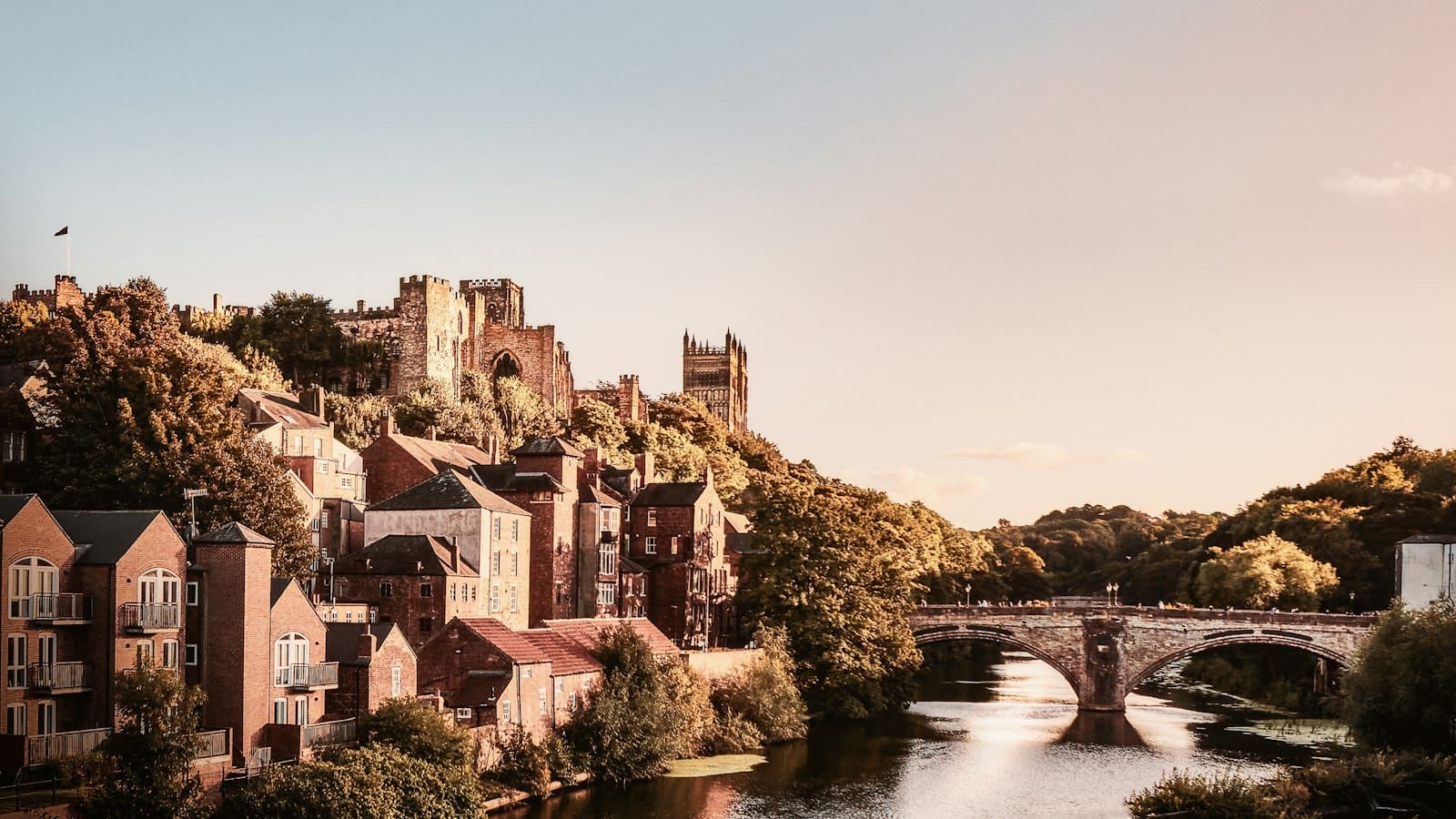
Durham is a small city with an outsized reputation. Its cathedral and castle have been a UNESCO World Heritage Site since 1986, Durham University brings around 21,000 students into a city of steep streets and Victorian terraces, the University Hospital of North Durham is one of the county’s biggest employers, and the East Coast Main Line puts London King’s Cross just under three hours away. Beyond the city sits County Durham itself, a large and varied county of market towns, former pit villages and commuter suburbs, where a typical home still costs well under £150,000. That mix creates two quite different markets side by side: a tightly held, student-shaped city centre, and a wider county where cash investors and first-time buyers do much of the buying. This guide covers what your property is likely to be worth, the areas buyers and landlords are chasing, how long a sale really takes, and why more County Durham homeowners are choosing Bettermove over a traditional estate agent.

The Durham property market in 2026
The average house price in County Durham was around £140,000 in July 2026 according to the Office for National Statistics, up 4.7% on a year earlier. The ONS publishes this figure for County Durham as a whole rather than for Durham city on its own, so the headline covers everywhere from the city’s DH1 postcodes to the former coalfield towns in the east and west of the county. By property type, detached homes average about £239,000, semis £141,000, terraces £117,000 and flats £79,000. First-time buyers paid an average of £125,000, and the average private rent reached £650 a month in August 2026, up 6.1% in a year. In practice the spread by postcode is wide. Durham city’s own neighbourhoods, from Neville’s Cross to Newton Hall, generally sit above the county average, while colliery terraces in villages such as Horden, Easington and Stanley can change hands for a fraction of it. That combination of rising rents and low entry prices is exactly why Bettermove’s investor network is so active across the county.
💡 Durham is really two markets. If your house is in the DH1 streets around the Viaduct, Crossgate or Gilesgate, gather any HMO licence or planning history, because Article 4 rules make an established, lawful HMO exactly what investors look for. In the colliery villages of SR8, DH6 or DH9, order your coal mining report early so it cannot delay you later.
Best areas to sell in Durham, and what to expect
Durham city (DH1) is compact, and most of its housing sits within a short walk or bus ride of the peninsula. The Viaduct and Crossgate, on the slopes below the railway station, are streets of Victorian terraces that have long been popular with Durham University students and the landlords who house them. Gilesgate, east of the river, mixes older terraces with post-war homes and has a similar pull. Neville’s Cross and Crossgate Moor offer larger semis and detached houses favoured by families, while Newton Hall and Framwellgate Moor, to the north, are established estates where owner-occupiers dominate. Beyond the city, Chester-le-Street (DH2, DH3) is a commuter town on the line between Durham and Newcastle, Consett (DH8) and Stanley (DH9) are former steel and mining towns with some of the county’s cheapest homes, and Seaham (SR7) and Peterlee (SR8) anchor the coast. Bishop Auckland (DL14), Spennymoor (DL16) and Newton Aycliffe (DL5) complete the south, with Barnard Castle (DL12) the pick of the Teesdale market towns.
Colliery terraces and coal mining searches: a County Durham quirk worth knowing about
Much of County Durham was built on coal. In 1923 around 170,000 miners worked in the Durham coalfield, and colliery villages sprang up across the county, most of them long rows of terraced houses built for mining families. The last Durham colliery closed in 1994, but the terraces remain, and so does the legacy underground. Because so much of the county sits on the former coalfield, conveyancers routinely order a CON29M coal mining report from the Mining Remediation Authority, which checks for past workings, subsidence claims and any recorded mine entries within 20 metres of the property. Lenders expect to see it, and anything it flags can mean further questions, a specialist survey or a lower valuation just as the sale should be progressing. In places like Horden, where the council is putting £10.7 million into replacing part of the famous numbered streets, mortgaged buyers can be thin on the ground. A cash buyer who knows the coalfield is not waiting on a lender’s sign-off, so a mining report does not have to derail your sale.
How long does it take to sell a house in Durham?
Via a traditional estate agent, the average Durham property takes 3 to 5 months from listing to completion. That includes 6 to 10 weeks on market, a few weeks to agree an offer, and 8 to 12 weeks of conveyancing. In practice, around 1 in 3 sales still fall through before completion, adding months to the process. Via Bettermove’s cash purchase route, Durham sellers regularly complete in 7 to 28 days. Our cash offer is typically made within 24 hours of your enquiry, and we cover all legal fees. Via Bettermove’s investor network route, you gain access to 60,000+ pre-vetted cash-ready investors, meaning no mortgage risk and completion often in 4 to 8 weeks. Both routes involve zero estate agent fees.
What Bettermove covers for Durham sellers
Everything you’d normally pay for is included, at no cost to you:
- Free no-obligation property valuation, remote or in-person across the city and County Durham
- Cash offer within 24 hours if you choose the direct route
- All legal and conveyancing fees covered
- No estate agent commission (saving you £1,500 to £3,500 on a typical Durham home)
- No EPC or photography costs
- Flexible completion, you choose the date
- Tenant-occupied properties, student HMOs and colliery terraces welcome
- Any condition accepted, no remedial work required
Durham investor demand, why your home can sell faster here
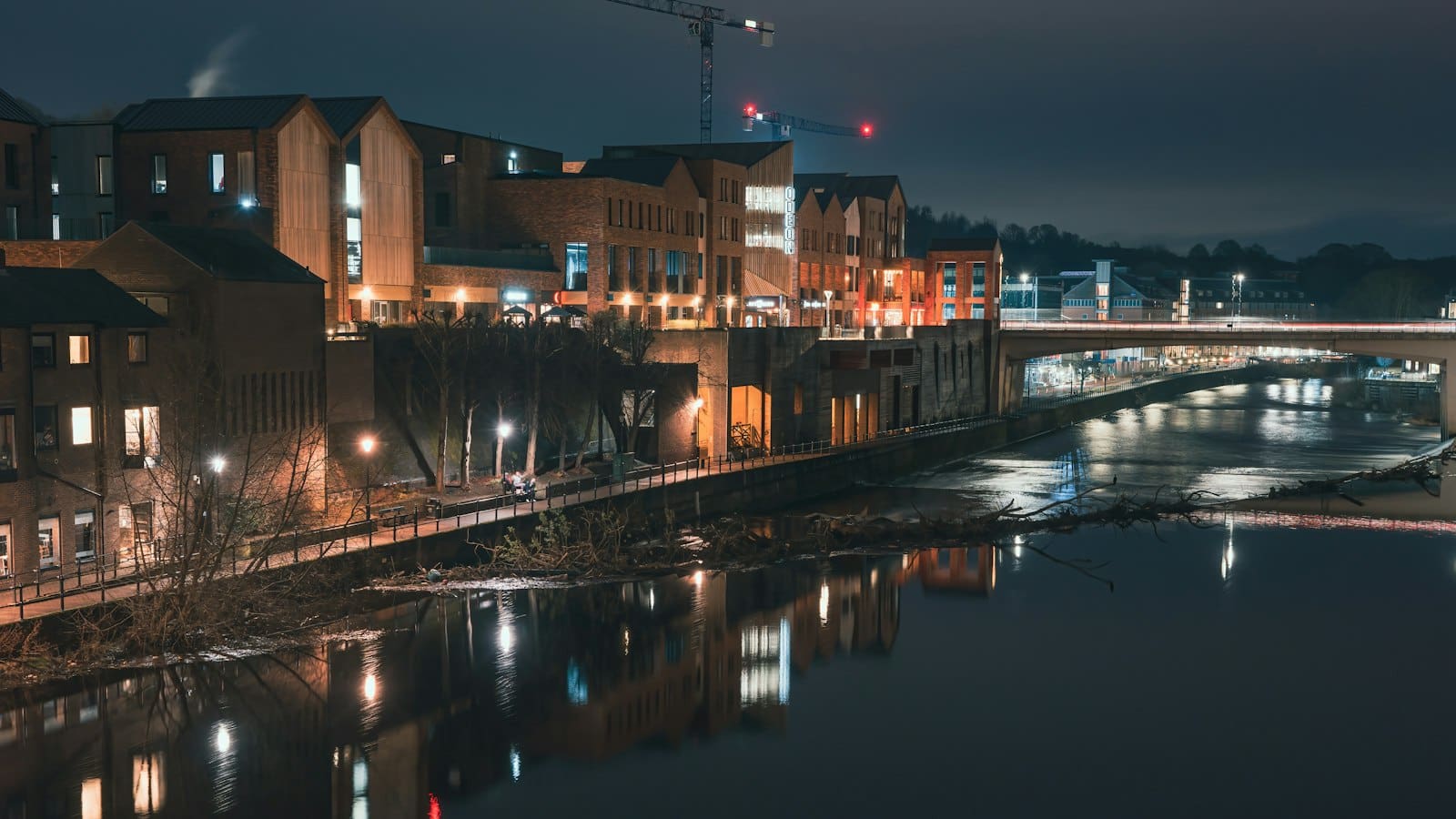
County Durham’s rental market has two engines. The first is Durham University, whose roughly 21,000 students keep demand for shared houses in the city consistently high. Supply, however, is tightly controlled. An Article 4 Direction has covered most of Durham City since September 2016, and has since been extended to Newton Hall, Framwellgate Moor, Pity Me, Mount Oswald, Carville and Belmont, so turning a family home into a small HMO now needs planning permission, and the council resists new student HMOs where they already make up more than 10% of homes within 100 metres. That makes existing, lawful HMOs valuable. The second engine is jobs. Aykley Heads, the Durham Innovation District next to the railway station, has consent for office space expected to support 4,000 jobs, and in March 2026 North East Mayor Kim McGuinness announced £27 million for a Durham Mayoral Development Zone centred on the site. At Bowburn, the Integra 61 expansion could support up to 3,000 more. Bettermove’s network of 60,000+ pre-vetted cash-ready investors follows this demand closely, which means a Durham property can often be matched with a buyer within days, without any public listing.
Is now a good time to sell in Durham?
County Durham prices rose 4.7% in the year to July 2026 according to the ONS. The pipeline of investment is substantial: development at the Durham Innovation District is due to start in 2027, Integra 61 is expanding at Bowburn, and Seaham Garden Village is set to deliver 1,500 homes, 750 of them affordable. None of that changes how a traditional sale works. Selling through an estate agent typically takes 3 to 5 months from listing to completion, and around 1 in 3 sales fall through before completion, often because of a chain, a mortgage delay or a survey issue such as a coal mining flag. If you need certainty, Bettermove can make a cash offer typically within 24 hours and complete in as little as 7 days, with 7 to 28 days typical on the cash route. All legal fees are covered, there are no estate agent fees, and any condition is accepted. If you would rather achieve closer to full market value, our investor network route often completes in 4 to 8 weeks, and Bettermove can match your property without relying on the open market.
Sell your house fast in Durham with Bettermove
To sell your house fast in Durham, start with a free cash offer. Whether you’re in Gilesgate, Neville’s Cross, Newton Hall, Framwellgate Moor, Belmont, or anywhere else in Durham and the surrounding DH, DL and SR postcodes, including Chester-le-Street, Consett, Stanley, Bishop Auckland, Seaham and Peterlee, Bettermove can help. Enter your postcode for a free, no-obligation valuation, or call our team on 0330 004 0050 to talk through your options. There’s no pressure and no commitment, just straight answers about what your property is worth and how quickly you could complete.
More local prices and towns: selling your house fast in the North East, or see every region we cover.
Ready to take the next step?
Speak to the Bettermove team for free, personalised advice. No obligation, no pressure.